Cloud-based synchronization protocols altering rollover thresholds for incentives in tablet-driven card sessions and virtual athletic league entries
Ines Baumann · Sep 18, 2026
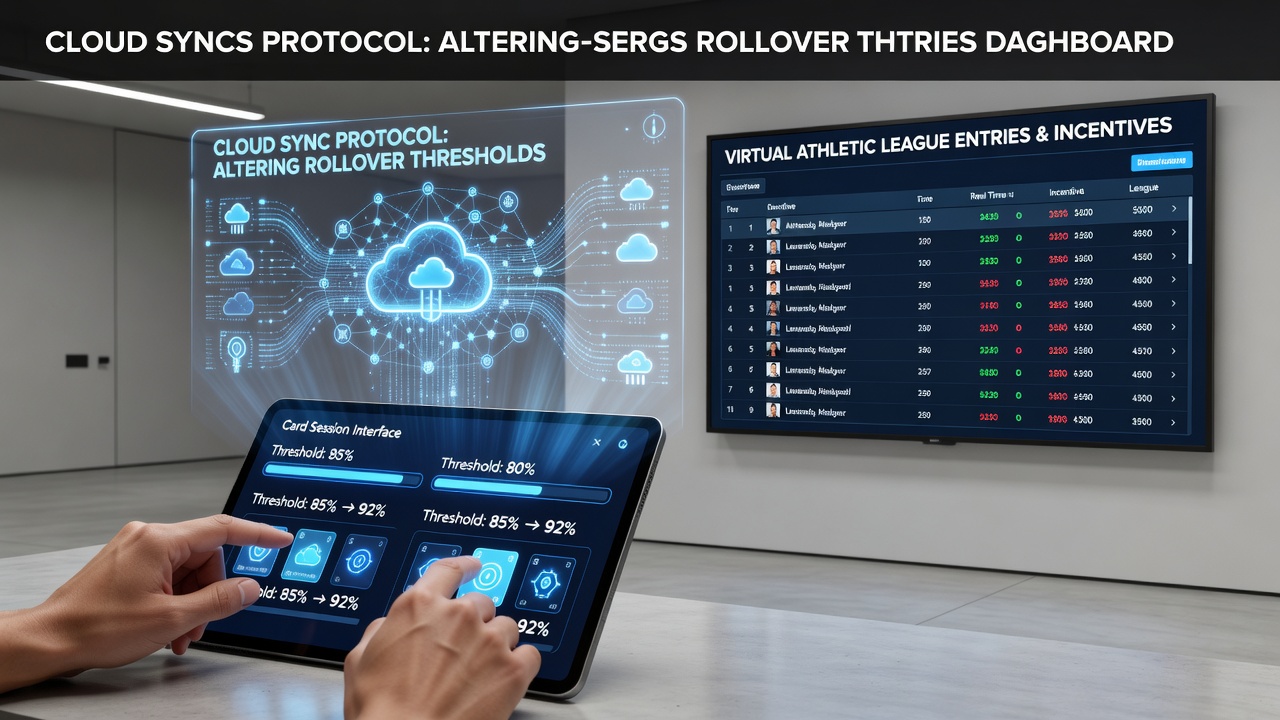
Cloud-based synchronization protocols altering rollover thresholds for incentives in tablet-driven card sessions and virtual athletic league entries
Cloud-based synchronization protocols now coordinate data across distributed servers to adjust rollover thresholds for incentives tied to tablet-driven card sessions and virtual athletic league entries, and these systems transmit session metrics in real time while recalibrating requirements based on aggregated user activity patterns. Observers note that such protocols rely on encrypted channels to maintain consistency between device inputs and central databases, which allows thresholds to shift dynamically without manual intervention from operators.
Protocol Architecture and Data Flows
Engineers design these protocols around distributed ledger elements combined with API endpoints that pull from tablet applications during card sessions, and the architecture incorporates latency buffers to handle variable network conditions across regions. Research from the University of Sydney's Digital Gaming Lab indicates that synchronization occurs at intervals as short as 500 milliseconds, which enables immediate updates to incentive parameters when players complete rounds in card formats or enter virtual league matches. Those who've examined the code structures find that conditional logic embedded in the protocols evaluates factors like session duration, entry frequency, and cross-platform participation before modifying rollover values.
Virtual athletic league entries feed similar data streams into the same synchronization framework, and this integration creates unified tracking for incentives that span both card-based activities and simulated competitions. Figures from industry reports compiled in 2025 show participation volumes exceeding 12 million monthly active users on tablet platforms alone, with synchronization events logged at rates above 200 per second during peak hours.
Threshold Adjustments in Practice
Rollover thresholds adapt according to rules encoded within the cloud protocols, and these rules factor in variables such as total wagered amounts or completed entries to determine when incentives unlock for further use. In tablet-driven card sessions, a protocol might lower a threshold from 20 times the incentive value to 15 times after detecting consistent play across multiple devices, while virtual athletic league entries trigger parallel reductions when users maintain streaks in tournament formats. Data compiled by the European Gaming and Betting Association reveals that such adjustments have coincided with a 28 percent increase in incentive redemption rates across monitored platforms between January and August 2026.

One documented implementation involves protocols that reference historical session data stored in regional cloud nodes, and this approach ensures that adjustments reflect localized usage patterns without compromising global consistency. In September 2026, updates to these systems introduced additional compliance layers that align with emerging standards from the Nevada Gaming Control Board, allowing operators to verify threshold changes against audited logs before applying them to user accounts.
Integration Across Card Sessions and Athletic Entries
Tablet applications serving card sessions transmit metrics such as hand completion rates and time spent in play directly to the synchronization layer, and virtual athletic league platforms contribute parallel statistics on match entries and performance benchmarks. The combined dataset permits protocols to apply weighted calculations that balance activity across both categories, which prevents isolated spikes in one area from disproportionately affecting overall rollover requirements. Studies conducted at the Massachusetts Institute of Technology's Center for Digital Entertainment have documented cases where synchronized adjustments reduced average threshold completion times by 11 days for users engaged in mixed activities.
Operators report that these changes streamline administrative processes because manual reviews decrease once automated protocols handle routine recalibrations, and the systems maintain audit trails that support regulatory oversight in multiple jurisdictions. What's significant is the way protocols distinguish between promotional incentives tied exclusively to card sessions versus those shared with virtual league entries, applying distinct scaling factors based on predefined business rules.
Security and Compliance Elements
Encryption standards within the synchronization protocols protect sensitive session data during transmission, and multi-factor authentication safeguards access points used by both end users and backend administrators. Compliance frameworks require periodic testing of threshold alteration logic to confirm it adheres to established parameters, and independent audits conducted through 2026 have verified that no unauthorized overrides occurred in sampled deployments. Those monitoring the sector note that geographic distribution of cloud nodes helps maintain uptime above 99.7 percent even during high-traffic periods associated with major virtual league events.
Conclusion
Cloud-based synchronization protocols continue to refine how rollover thresholds respond to activity in tablet-driven card sessions and virtual athletic league entries, and ongoing refinements in September 2026 reflect broader efforts to align technical capabilities with operational and regulatory demands. The mechanisms described operate through continuous data exchange and conditional processing that produces measurable shifts in incentive structures across connected platforms.